

Dear S,
Unlike most denominations, the Catholics actually have a calling for comedy and a saint for comedians — a miracle in itself, since church is the last place you'd go for a laugh.
St Lawrence was the archdeacon of Rome during the reign of Valerian. When Valerian threw the pope in jail and started confiscating Christians’ property, he ordered Lawrence to collect it all for him. Lawrence asked for three days to collect the loot, and when the three days were up he showed up empty-handed. These are the riches of the church, he said, pointing to the Christian widows and orphans around him.
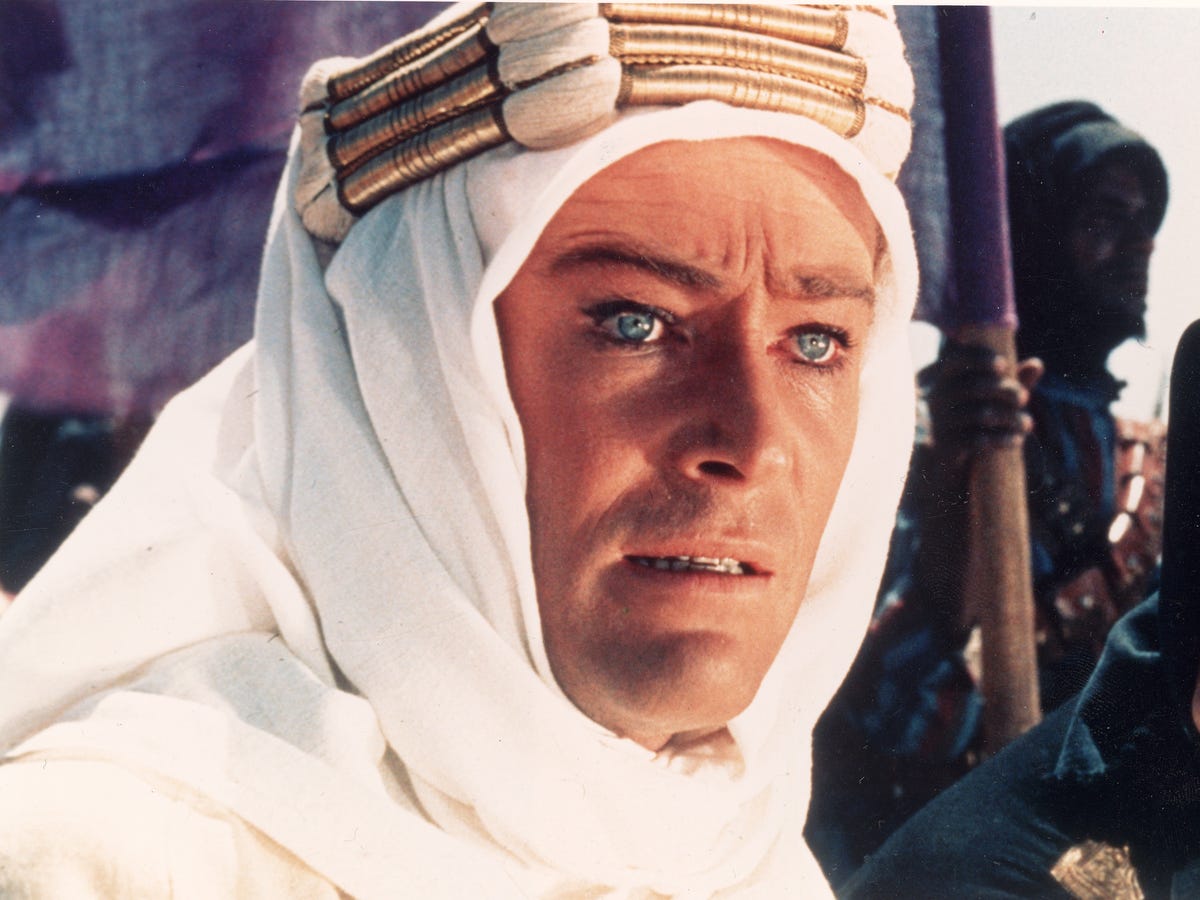
For this quip he was condemned to be roasted slowly on a gridiron; but as he was being fried he said this side's well done, you can turn me over now — a line that's lasted almost two thousand years, and resulted in his getting prayed to by the church's professional jokesters. You can buy his icon on Amazon for 25 bucks (shipping and handling included).
Yours,
-J
P.S. A good Catholic sees all honest callings as sacred, and allows many professions their own saint — a stroke of genius that calls every late-night fanatic into the church. And if the fanatic is really nuts for animals, or teaching, or feeding the poor, the Catholic gives him his own order like St Francis. Thus Catholics avoided all kinds of rival sects with their own particular gists, and instead of having Anglicans and Methodists, ended up with the Jesuits — still a plague, in my opinion, but at least a plague they could tithe.
The downside to the Catholic sanctification of life is clutter — a fact complained about by Augustine, if I remember correctly, in City of God. Simply put, the pagans had already done the same thing and ruined it. Over time everything gets a god. Thus there was no longer any god for just children. There was a god for cradles, and milk, and diapers (per se); and when these deities piled up so did their prayers; and a whole industry developed around creating and marketing and remembering them — a thing that started off reverent and ended up being sacrilege. According to Catholic.org, there is currently only one God to pray to, and 1,776 patron saints.
But still the foundation of the Catholic theory stands. Pay a man minimum wage to clean toilets and he might do a decent job cleaning a toilet. Convince a man he cleans toilets in the name of God and you’ve got an artist*. The Catholics merely go about it backwards. A protestant will just sanctify the man and hopes this sanctifies the job**. The Catholic sanctifies the job and hopes the man finds the saint.
*Of course there’s a chance a fanatic might not do something well; and I would argue that, so far from the other professions, an intellectual is the zealot most likely to be bad at his calling. And I argue further he’s unlikely to know it. The others are just living, feeling, tinkering in their callings and can tell when they’ve outright failed; but the intellectual asks how you should live. It becomes more dangerous when he’s in charge (or advises those in charge) and asks how you should live. He generally isn’t the one living his plans, and when something goes wrong with them, he has a lot of handy excuses ready.
God has given many of us callings, but the planner of lives takes callings away. He can’t give you the talents and callings only God can, and he rarely has the ability to plant love in your heart. But he can draft a plan for your life that excludes everything you love. As Jane Jacobs so aptly noted, the planner of utopias and “ideal” living is the only one he allows to dream.
Plato dreamed a utopia with room for only a few trades: blacksmiths, shipwrights, weavers, farmers, soldiers, statesmen, and some others. He left out almost everybody else because he didn't see a need for them. The men who printed his books, who conjured paper out of the plants and ink out of the earth and sewed binding and ran presses; the men who ran bookstores, the merchants who moved libraries, the computer nerds who made Kindles, and the bankers who funded the nerds, were all left outside — and we thank this host of “inferior men” and monkey-wrenches-in-plans for living outside his prescription, so each of us could read The Republic.
**I remind you that a man’s talent or job is second to his character anyway. A good man without talent can still be good for many things. A talented man without goodness can only be good for the talent, and he might even ruin that.
I believe the answer to the idea of patron saints — if indeed we really need to answer it — is the idea of dominion. Simply put, if we ask to walk with God He walks with us. He lives in us. And wherever we go, the Kingdom of God goes with us. The patron saint becomes superfluous when you yourself are the saint. But then again I never appealed to St. Francis de Sales, the patron saint of writers, and look where it got me.
***No kid ever dreams about cleaning toilets for a church. He imagines himself as the pastor, or a worship leader — or better yet, a prophet. This tendency is so common and problematic that Paul had to write to the Corinthians,
There are many parts, but one body. And the eye can't say to the hand, “I don’t need you”; nor the head to the feet, “I don’t need you.” No — on the contrary, those parts of the body which look weaker are essential. [...] But God composed the body that [...] the members should have the same care for one another. And if one member suffers, all the members suffer with it; or if one member is honored, all the members rejoice with it.
Is it any wonder we sympathize with the head, though — and never the armpit? Our whole body is building, patching, pumping along without us even asking, sometimes without our consent. It all exists for us — the seeing, sensing, feeling, thinking, planning talking organism; and the idea of having to listen to somebody else all day makes us feel like an ass.