

Dear S,
When a writer has a few random thoughts he has to ask himself: do I just throw them away, or piece them together haphazardly? Life is a kaleidoscope — I’m leaving you with a hodge-podge.
Yours,
-J
Like making love.
Justin Holcomb’s Christian Theologies of Salvation: A Comparative Introduction was on sale today for $3.99. That’s nearly a dollar for every hundred pages, and still a bad deal. In it we find Christianity’s biggest eggheads arguing at great length about how God saves you — a series of takes the book’s own introduction describes as “bewildering.”
This is probably the last honest part of the book. All of the theologians fought earnestly, I’m sure, about the verbs and nouns and the context of Scripture. What they missed is that none of the 12 disciples were eggheads. Nobody needs Karl Barth’s or John Owen's magnum opus on salvation to be saved. What they need is for someone to save them, and for the people who get saved to know it.
I was told growing up that “comparative religions” courses were rotten because they showed you how Christianity and the other religions were so similar. But it could be just as easily argued that books on salvation are rotten because they show how Christians can’t even agree about Christianity. There was plenty more to say and Justin Holcomb only said a bit of it. That’s why all 381 pages of his book are an introduction. We can thank God salvation is like lovemaking — it just happens, and you can practice it, and chase it, but you don’t need to really understand that much to do it.
A moment in eternity.
Under normal circumstances we can reminisce about the past or dream about the future; but in extreme joy or sadness or pain we imagine we’ve never been anything else.
Love is blind.
I spent some time talking to a mom the other day, and, as usual when talking about kids, we shared some of our dreams and fears and some of our advice.
She had gone on for about five minutes about her parenting style before I realized who her kid was. She was very likely the worst kid in town — not a single positive attribute, from head to toe: no brains, no beauty, no character, and no taste. She was unfit for life in every way and never once admitted it, preferring to blame the public and “the patriarchy.”
But what surprised me wasn’t that I'd forgotten the kid, or even how horrible she was. It was that her mom did too. She kept dispensing advice ex cathedra because she didn't know it.
We have yet to prove whether a mother's love is more powerful than self-love — they may be one and the same thing. But combined, their effects are insuperable.
Burnout.
The only thing necessary for sharp quotes to go stale is that good men will quote them.
Public discomfort.
Why are worship lyrics so bad compared to secular lyrics? Because nobody feels they have to mean Fergalicious.
If we had to agree with Happy Together or Eleanor every time they played, The Turtles wouldn't have made it so far either. The secular artist doesn't make us cringe as much because his lyrics, even when bad, are rarely intended to feel like our lyrics.
But when you sing I stand amazed in the presence of Jesus the Nazarene and you’re not amazed (look the word up) and Jesus isn't present you feel like a real clown. Hearing two hundred people of mixed conviction mumble “with my life laid down I surrender now, I give you everything” isn't going to boost morale — it’s going to destroy it.
The discomfort a man feels when singing bad worship lyrics is directly correlated not just with his sense of poetry, but with his sense of honesty.
The mystery of Christianity.
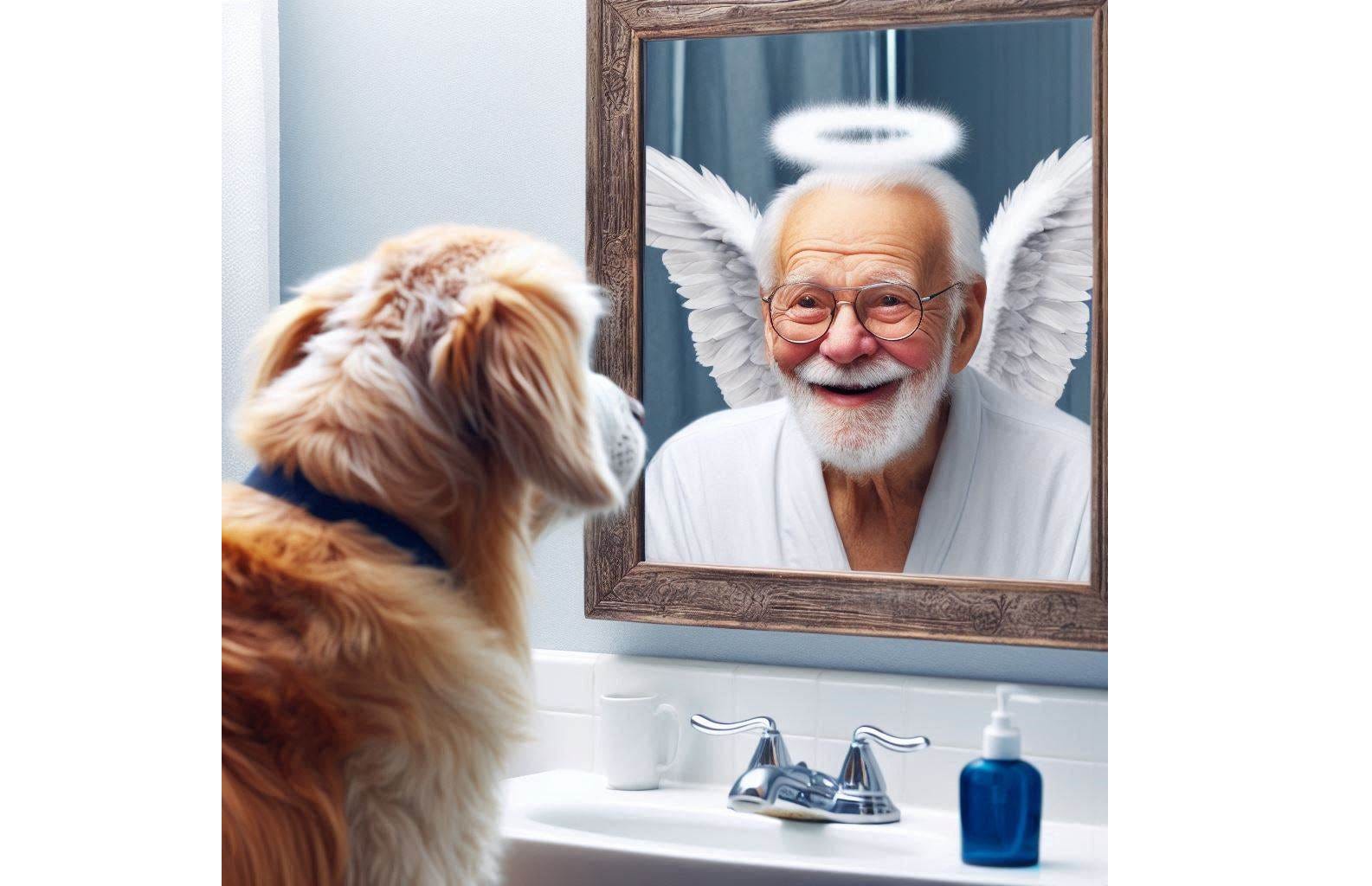
The Sermon on the Mount lays you low. The first chapter of Ephesians makes you high. The big question of Christianity is whether you view yourself as a god or as a dog.
A question in disguise.
When we say I love you, it’s just as much of a question as a statement. We need to hear someone say it back.
Who’s the boss?
When you beat a really big video game, the only thing you defeated was yourself.
A dog’s vomit.
Solomon said like a dog returns to its vomit, so a fool returns to his folly. What he neglected to mention is the positive side of the vomit — that a good man, once he's done with the folly, keeps turning back to God.
Folly is inescapable. You’re either learning the first time or you’re learning again; but you’re always going back to some mistake or another. Pain is the great teacher — not necessarily a sign of damnation; and the feeling you get when you’re overwhelmed by anger, or lust, or distractions, or something else equally emphemeral and derailing — that feeling of disgust, loathing, disappointment, emptiness, and probably frustration, is the launching pad God uses to drive you back to Him.
It might take minutes or months of this feeling to drive you back, and each and every time, especially with the things you’ve screwed up before, you feel a little more embarrassed to reach up. Don’t get discouraged here: this is you recognizing who you are, and what you want to be, and what you don’t. The discomfort is you turning into somebody else. A chick pecks at her eggshell reaching for the outside world; but she never finishes in one peck, and she always has to draw back to peck again. Think of the failures and the loathing as a drawing back: they’re not even a failure, or the end, in that sense: they’re the drive and momentum you need to peck again. You’re winding up for a punch.
The embarrassment of being the wrong person is itself being the new person. And if we strangle this feeling by telling ourselves we’re okay and that the failures don't matter, we never end up getting outside our shell. And if we crush ourselves by telling ourselves we’re all wrong, we give up trying, and end up dying in utero.
Just remember that right here, in real time, the time between pecks seems like it’s taking forever. But watch a chick hatch and you’ll realize that in the long run, it all happens so quickly — and in the view of eternity, our hatching only takes a few seconds.
Hopeless causes.
Magazines talk about makeup and hair style and height and weight, but there are two things they can't sell you to make you more attractive, and those two things are happiness and intelligence. They override all kinds of other defects, and people can smell them a mile away. Nobody can sell you a twinkle in your eye or a witty repartee. The fat lady can get fit and the short man can get platform shoes, but nobody can save anybody from being dumb and surly.